
Hello, K-drama fans around the world! Welcome back. I am your go-to K-drama influencer, dedicated to bringing you the trendiest content and deepest cultural insights to help you learn Korean and understand Korea.
Recently, Korean historical dramas (Sageuk) have reached a whole new level in the global streaming market. Following the massive success of the zombie series Kingdom, a new mystery occult thriller set in the most secretive corners of the Joseon palace has captured the hearts of global viewers. It is none other than the Netflix original series ‘The East Palace’ (동궁).
Right after its release, this masterpiece entered the global Top 10, creating a massive buzz. It goes beyond a simple horror story, blending the elegant aesthetics of Korean traditional architecture with Eastern shamanistic worldviews. Today, let’s dive deep into this fascinating series, from its complex character relations to the cultural secrets and useful Korean expressions hidden inside!
The East Palace: Official Information & Intricate Character Relations
To truly enjoy this thriller, you first need to understand the basic structure of the show and the complex web of relationships between the characters.
Official Information
- Streaming Platform: Exclusive on Netflix
- Episodes: 8 Episodes (All episodes released at once, perfect for weekend binge-watching!)
- Production Team: Written by Kwon So-ra and Seo Jae-won, the masterminds behind famous Korean occult series like The Guest and Bulgasal: Immortal Souls. It is directed by Choi Jung-gyu, known for the stylish visuals in The Devil Judge. Notably, this is a pure original script with no webtoon or web novel source material, keeping viewers guessing until the very end.
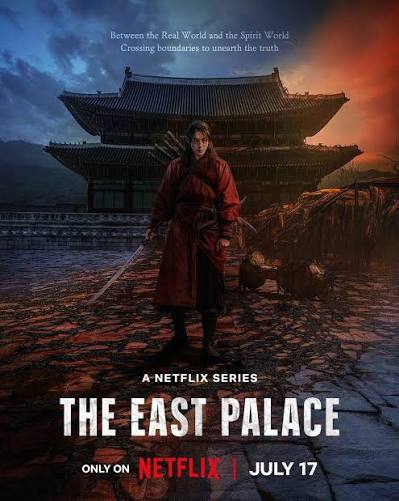
Character Profiles & Relationships
The greatest charm of this drama lies in its multi-dimensional characters, who walk the thin line between good and evil while carrying their own deep flaws.
- Gu Cheon (Played by Nam Joo-hyuk)
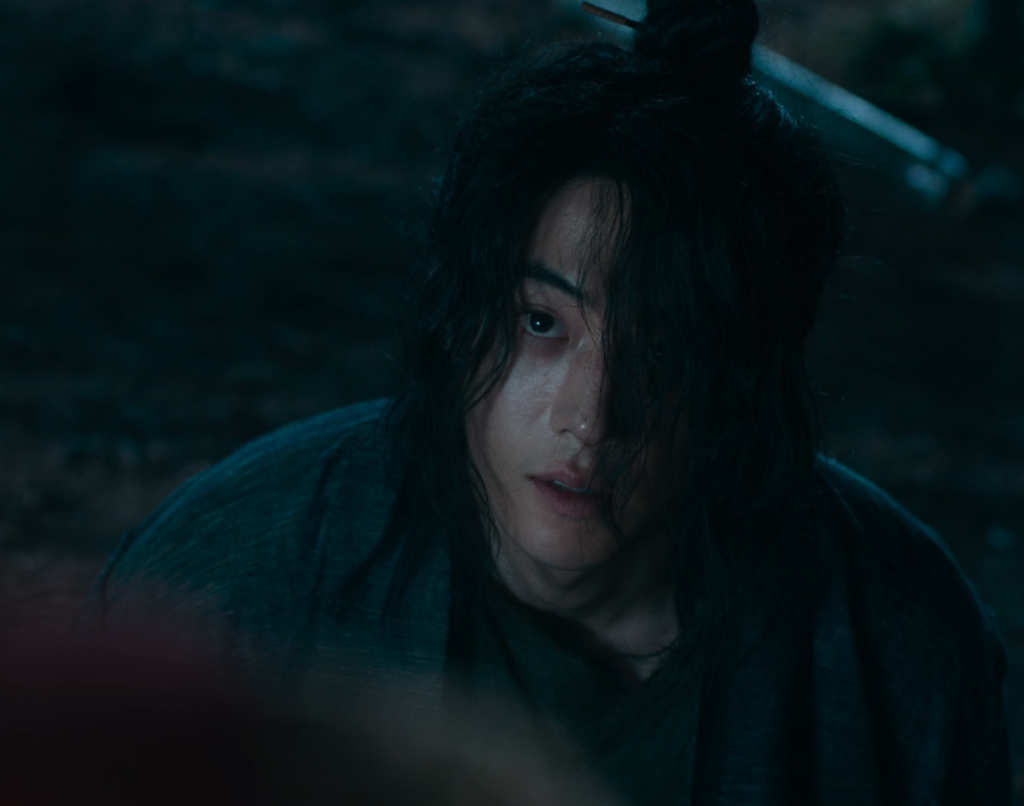
A mysterious figure who possesses the ability to freely travel between the human world and the spirit world. This marks actor Nam Joo-hyuk’s highly anticipated return to the screen after completing his mandatory military service. He perfectly portrays a dark hero who hides a painful past behind cold eyes while tracking down vengeful spirits. - Saeng-gang (Played by Roh Yoon-seo)
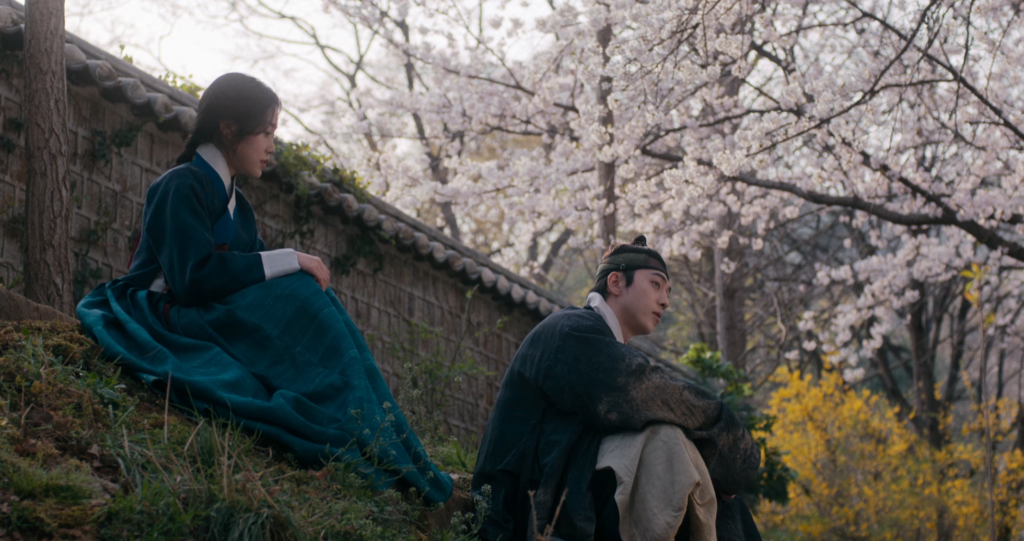
A palace maid who holds the darkest secrets of the royal court. She has a bizarre, innate ability to hear the voices of ghosts. Utilizing her sharp intelligence and deep knowledge of the palace geography, she becomes Gu Cheon’s most trusted partner. The unique chemistry and partnership between these two characters serve as the anchor of the show’s intense suspense. - King Lee Yeon (Played by Cho Seung-woo)
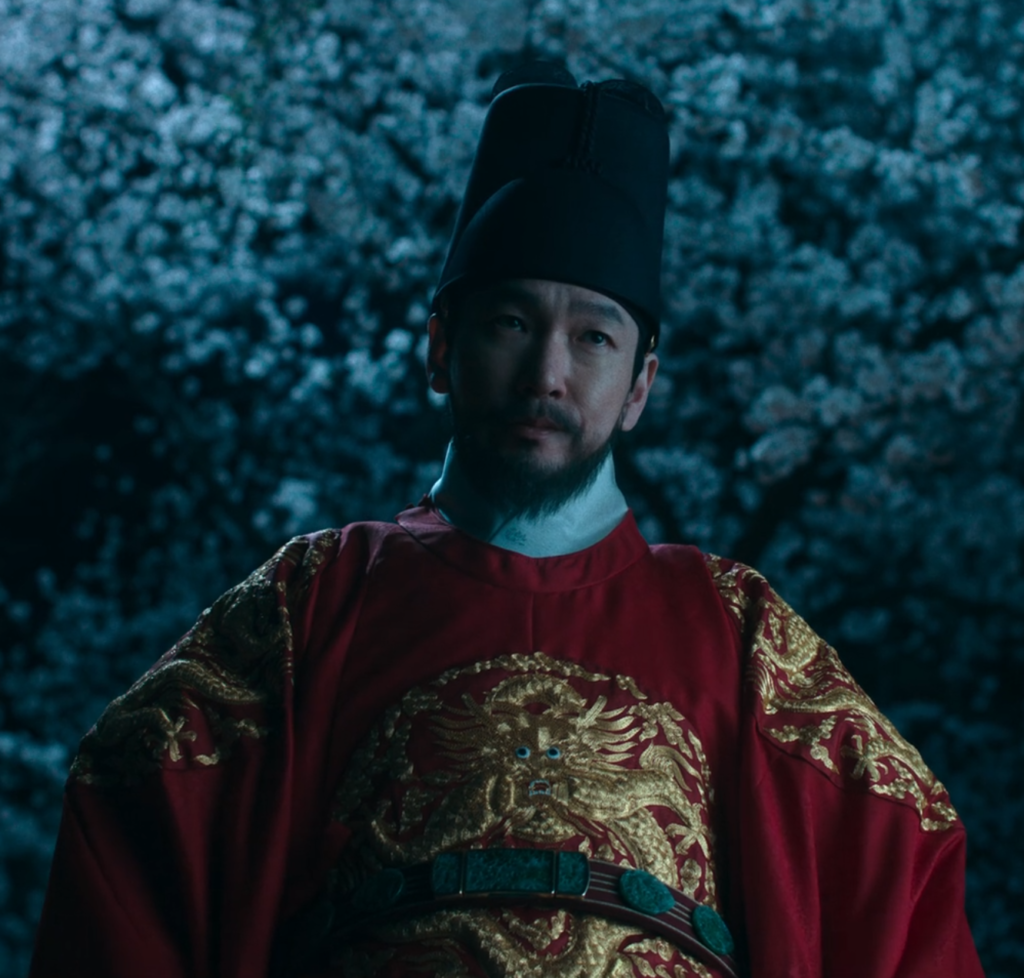
The King of Joseon who personally brings Gu Cheon and Saeng-gang into the palace to break the “Curse of the East Palace,” which has caused the mysterious deaths of successive Crown Princes. He is a cold, overwhelming leader who will not tolerate any threat to his throne, whether it comes from humans or evil spirits. Cho Seung-woo delivers a masterclass in acting, perfectly capturing the complex psychology of a king fighting monsters in the dark.
Global Appeal: What Makes International Fans Go Crazy?
The East Palace has captivated global audiences because it does not rely on cheap jump scares. Instead, it meticulously builds its narrative on Eastern aesthetics. Here are the three key points that global fans love.
The Korean Concept of ‘Han’ (恨)
While Western occult films often focus on an absolute battle against the Devil or demons, K-occult dramas like The East Palace are rooted in the Korean emotional concept of ‘Han’ (恨). The vengeful spirits in this drama are not born evil.
Korean Ghost Stories: More Than Simple Horror
In Korean folklore, ghosts are often connected to human emotions rather than pure evil. Many traditional ghost stories feature spirits who return because of injustice, betrayal, or unfinished relationships.
This storytelling tradition allows audiences to feel sympathy for supernatural beings, creating horror that is emotional as well as frightening.
They are the souls of marginalized people who were wrongfully killed inside the oppressive, rigid power structures of the royal palace. Their deep sorrow and resentment turn them into ghosts. This heavy emotional backstory allows global viewers to feel profound empathy and catharsis.
Understanding Korean Shamanism Behind The East Palace
One of the key cultural foundations of Korean occult storytelling is “Muism (무속),” the traditional Korean belief system centered around shamans, spirits, and communication between the human world and the supernatural realm.
Unlike many Western horror stories that portray ghosts simply as evil creatures, Korean ghost narratives often view spirits as beings carrying unresolved emotions, unfinished wishes, or deep personal pain. This perspective is closely connected to the idea that harmony must be restored between the living and the dead.
In The East Palace, supernatural events are not merely used to create fear. They represent hidden wounds, forgotten tragedies, and the consequences of unresolved conflicts within the royal palace. This cultural approach gives Korean occult dramas their unique emotional depth.
Restrained Royal Aesthetics & Stunning Mise-en-scène
Director Choi Jung-gyu maximizes the quiet elegance and beauty of traditional Joseon architecture. The stunning visual contrast is a feast for the eyes: during the day, the East Palace is peaceful and breathtaking, but at night, it transforms into an eerie, shadowy playground for spirits. Combined with strategic lighting that highlights the characters’ raw emotions and a traditional Korean instrument soundtrack, the show offers total sensory immersion.
Seamless Blend of VFX and Live Action
The visual effects (VFX) used to portray the spirit world are incredibly sophisticated. The sword action scenes featuring Nam Joo-hyuk fighting supernatural entities blend seamlessly without looking awkward. Watching traditional Korean shamanic talismans and rituals transform into modern, fast-paced action sequences delivers a massive genre thrill.
K-Culture Spotlight & Real Korean Lesson
One of the best parts of watching K-dramas is learning real Korean culture and language through the lines spoken by the characters. Let’s explore a unique cultural element and a key expression from the show!
K-Culture Spotlight: The ‘East Palace’ (동궁) and Royal Hierarchy
The title of the drama, ‘Dong-gung’ (동궁/East Palace), refers to the physical palace area located on the eastern side of the main royal compound. This was the official residence of the Crown Prince, the heir to the throne. It was named the “East Palace” because the east symbolizes the rising sun and the energy of spring.
The drama begins with a dark curse hitting this sacred space, shedding light on the strict social hierarchy and rigid etiquette of the Joseon Dynasty. Understanding the absolute power of the King—where a single word could end a life—and the vertical relationships among palace maids, eunuchs, and royals will help you understand the characters’ actions on a much deeper level.
The Strict Rules of Joseon Royal Court Life
The Joseon Dynasty was built on a highly organized social system influenced by Confucian values. Within the royal palace, every person had a clearly defined role, from the king and crown prince to court ladies and palace servants.
Respect for hierarchy, duty, and family lineage shaped almost every aspect of palace life. The position of the Crown Prince was especially important because he represented the future continuation of the royal family.
By placing a supernatural curse inside the East Palace, the drama uses the most sacred area of the royal court as a symbol of instability and fear. The conflict is not only between humans and ghosts but also between tradition, power, and hidden emotions.
Real Korean Lesson: Expressions for Daily Life
Let’s learn a highly useful Korean phrase frequently used by King Lee Yeon and other characters when worrying about someone’s safety.
- Today’s Phrase: “무사히 마쳐야 한다” (You must complete it safely.)
[Example Dialogue from Drama]
- “이번 일을 무사히 마쳐야 궁을 나갈 수 있을 것이다.”
- (Meaning: You must complete this task safely to leave the palace.)
Language Breakdown & Tips
- 무사히 [Mu-sa-hi]: This is an adverb meaning ‘safely,’ ‘smoothly,’ or ‘without any trouble.’ Koreans use this word constantly in daily life—when wishing a friend a safe trip, cheering someone on before a big exam, or completing a major project at work.
- 마치다 [Ma-chi-da]: A verb that means ‘to finish’ or ‘to complete’ a task.
- How to Use It in Real Life
- Friend A: “내일 중요한 한국어 시험이 있어서 너무 긴장돼요.” (I’m so nervous because I have an important Korean exam tomorrow.)
- Friend B: “걱정하지 마세요. 시험 무사히 마칠 수 있을 거예요! 화이팅!” (Don’t worry. You studied hard, so you will be able to complete your exam safely! Fighting!)
Conclusion: Share Your Thoughts!
The East Palace is a well-made thriller that flawlessly combines the beautiful visuals of historical Joseon with the thrilling tension of the occult genre.
Now, I want to hear from you, our global community!
What did you think about the shocking truth and the final ending that Gu Cheon (Nam Joo-hyuk) and Saeng-gang (Roh Yoon-seo) had to face? What was the most thrilling or memorable scene for you? Please feel free to share your reviews and thoughts in the comments below! Sharing different cultural perspectives makes discussing dramas so much more fun.
I’ll be back soon with more insightful and educational K-drama content. If you found this helpful, don’t forget to follow and hit the like button! Thank you!